

The Crime of Being Indigenous: New Report Reveals Russia's Systematic Criminalization of Indigenous Leaders
11/06/26, 09:00
A new report documents an alarming escalation in the persecution of Indigenous leaders, activists, journalists, and human rights defenders across Russia. Titled The Crime of Being Indigenous, the report finds that Russian authorities have moved beyond restricting Indigenous civic space and are increasingly using anti-extremism and anti-terrorism legislation to criminalize peaceful advocacy for Indigenous rights.
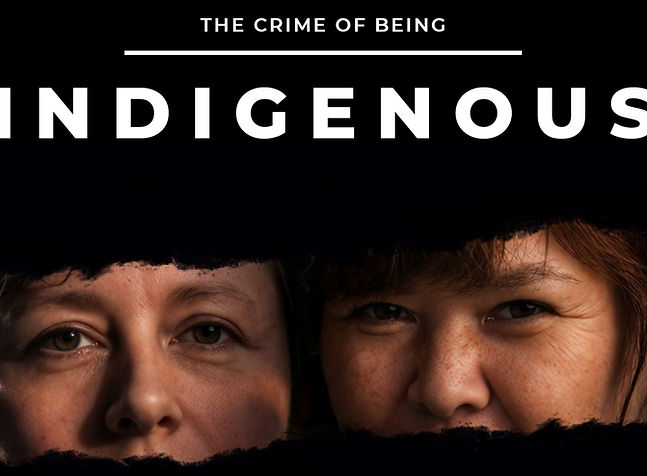
The International Indigenous Fund for Development and Solidarity “Batani” (BATANI), the International Committee of Indigenous Peoples of Russia (ICIPR), and attorney-at-law Olga Podoplelova have released a report in April 2026, documenting the growing persecution of Indigenous leaders, activists, journalists, and human rights defenders across the Russian Federation.
Titled The Crime of Being Indigenous, the report examines patterns of repression against representatives of the Indigenous Peoples of the North, Siberia, and the Far East between 2019 and 2026. Based on court records, human rights documentation, media reports, and verified testimonies, the report finds that Russian authorities have increasingly relied on anti-extremism, anti-terrorism, and “foreign agent” legislation to silence Indigenous voices and dismantle independent Indigenous institutions.
The report argues that what began as administrative pressure and restrictions on Indigenous organizations has evolved into a systematic campaign of criminalization. Indigenous activists have faced searches, arrests, prosecutions, imprisonment, forced exile, and accusations of extremism and terrorism for activities related to human rights advocacy, environmental protection, cultural preservation, and participation in international forums.
Among the report’s most alarming findings is the growing use of anti-terrorism legislation against Indigenous activists and organizations. The authors document how peaceful Indigenous initiatives and advocacy networks have been designated as “extremist” or “terrorist,” exposing activists to lengthy prison sentences for non-violent civic engagement.
The report further concludes that the destruction of independent Indigenous organizations, the criminalization of international cooperation, and the prosecution of Indigenous leaders have left many communities without effective representation at both the national and international levels.
The evidence documented in this report points to a profound deterioration in the situation of Indigenous Peoples in Russia. Peaceful advocacy for Indigenous rights is increasingly being treated as a security threat, placing activists, community leaders, and human rights defenders at serious risk,
BATANI, ICIPR, and the report’s authors call upon governments, international organizations, United Nations mechanisms, human rights institutions, and civil society actors to closely monitor the situation and support Indigenous Peoples and their representatives facing persecution for their legitimate human rights activities.
The full report is available here: The Crime of Being Indigenous
